
Educational purposes only. This article is not medical advice and is not intended to diagnose, treat, cure, or prevent any disease. Always work with a qualified healthcare practitioner for any health condition. There is no herb or natural protocol that is a substitute for medical treatment for Bartonella.
Bartonella symptoms are among the most misunderstood and overlooked presentations in the entire chronic illness landscape.
Most people who are navigating Bartonella symptoms have already been through a long and frustrating journey of misdiagnoses.
They have been told they have anxiety.
They have been told their hip pain is structural.
They have been told their brain fog is depression.
What very few practitioners consider is that an intracellular bacterial infection living within the lining of blood vessels could be a core factor in these systemic patterns.
This article explores the full picture of Bartonella symptoms from a holistic and educational perspective, the mechanisms behind why this co-infection is so disruptive to the body, and the foundational wellness principles that integrative practitioners often prioritize when supporting the body through this process.
What Is Bartonella and Why Is It So Difficult to Identify
Bartonella is a gram-negative intracellular bacterium, which means it lives inside the cells of its host rather than floating freely in the bloodstream.
What makes Bartonella particularly challenging is where it chooses to live: inside endothelial cells, which are the cells that line every blood vessel in the body.
Because Bartonella is endotheliotropic, meaning it has a strong affinity for endothelial tissue, it essentially colonizes the vascular system from the inside.
Research published in clinical literature confirms that Bartonella also invades red blood cells and bone marrow, creating a reservoir that is largely protected from the immune system’s primary response.
This is one reason why bacterial persistence is observed in some cases and why conventional testing frequently misses it.
One of the more remarkable mechanisms researchers have observed is that Bartonella can interfere with the normal cell death process known as apoptosis.
Rather than allowing infected cells to die and clear the bacteria, Bartonella is associated with the formation of a protective environment inside the cell that shields it from immune detection.
This helps explain why Bartonella can remain present in the body for extended periods before symptoms become apparent, and why it is so persistent once established.
Bartonella also has a notable affinity for the neuropeptide-rich environment of the brain, which is one reason why neurological and psychiatric symptoms are so commonly reported by those navigating Bartonella symptoms.
When Bartonella interacts with the immune system, one of the consequences observed in clinical literature is that the immune response itself may be associated with narrowing of the blood vessels.
When blood flow slows, the bacteria can settle more deeply into the vessel walls.
This creates a cycle that can be very difficult to interrupt without prioritizing vascular health and drainage as a foundation.
How Is Bartonella Transmitted: More Than Just Ticks
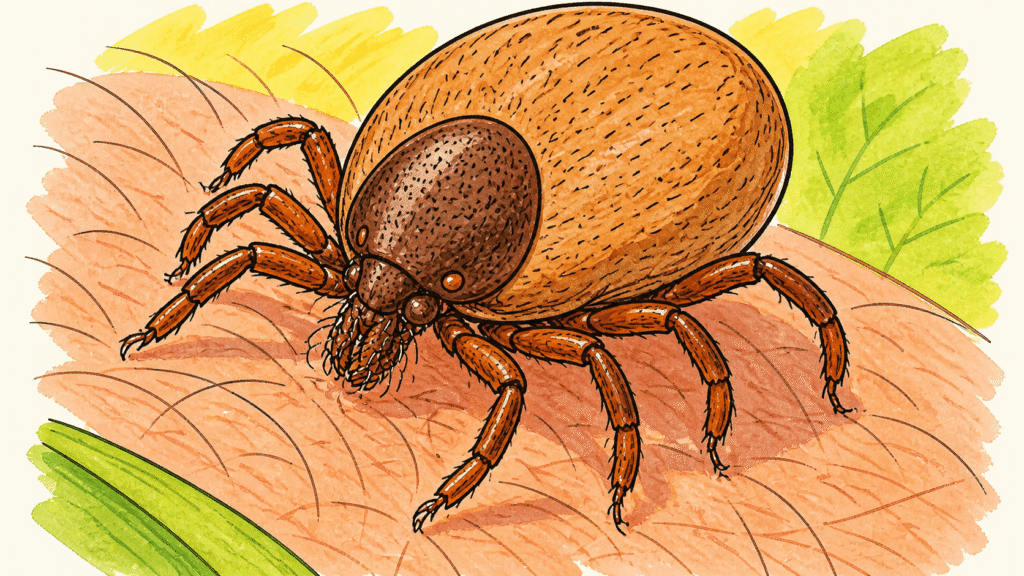
While Bartonella can be transmitted through tick bites alongside Lyme disease and other co-infections, ticks are not the only vector.
Cat fleas are a well-documented transmission route for Bartonella henselae, also known as cat scratch disease.
Research published by the National Organization for Rare Disorders confirms that fleas transmit the bacteria between cats, and some case reports suggest transmission may occur from cat fleas directly to humans as well.
Body lice are also a recognized vector for Bartonella quintana, the species historically associated with trench fever.
Dogs, deer, and rodents can all harbor Bartonella-infected fleas or ticks, making transmission routes broader than most people realize.
What is less commonly discussed is the nature of what may accompany a flea bite.
Some integrative practitioners and emerging research raise questions about the role of additional immune burdens transmitted through flea contact, including through flea feces, which some sources note may remain a potential source of transmission for a period after deposit via skin contact.
This is an area where research is ongoing and not yet settled in mainstream medicine.
The relationship between Bartonella, immune suppression, and subsequent vulnerability to other opportunistic infections, including parasites, is something that functional and integrative practitioners increasingly observe in chronically ill patients.
The Full Spectrum of Bartonella Symptoms
Bartonella symptoms are wide-ranging because the bacteria affect the vascular system, the nervous system, and the brain simultaneously.
Because it lives inside the endothelial lining of blood vessels and also invades red blood cells, its reach is systemic.
The following are among the most commonly reported presentations by those navigating this co-infection, drawn from clinical literature and integrative practitioner observation.
It is worth noting that Bartonella symptoms typically begin anywhere from five to fourteen days after exposure, and in some cases major symptoms may not manifest for several weeks after the initial contact.
This delay is one reason why the connection between exposure and bartonella symptoms onset is so frequently missed.
Fever and flu-like onset
Many people first notice Bartonella symptoms as a flu-like illness that never fully resolves.
Low-grade relapsing fever, malaise, and fatigue are commonly reported in both the acute and chronic phases.
Because these symptoms are so nonspecific, Bartonella is rarely on the radar of conventional practitioners during the initial presentation.
Fatigue and poor appetite
Persistent fatigue that does not improve with rest is one of the hallmark patterns reported by those navigating chronic Bartonella infections.
Poor appetite and unintended weight loss are also commonly associated.
The combination of fatigue, nutrient depletion from red blood cell scavenging, and systemic inflammation creates a significant burden on overall resilience.
Insomnia
Insomnia is frequently reported by those navigating Bartonella symptoms and has significant downstream consequences for the brain’s glymphatic clearance system.
Because the glymphatic system is most active during deep sleep, chronic insomnia associated with Bartonella creates a cycle in which the brain is unable to clear the inflammatory byproducts and neurotoxins that accumulate during the day.
Headaches
Persistent headaches are among the commonly reported Bartonella symptoms, often connected to the vascular disruption and neuroinflammation associated with the infection.
Some people navigating Bartonella describe headaches behind the eyes or pressure headaches that do not respond well to conventional pain management.
Musculoskeletal and bone pain
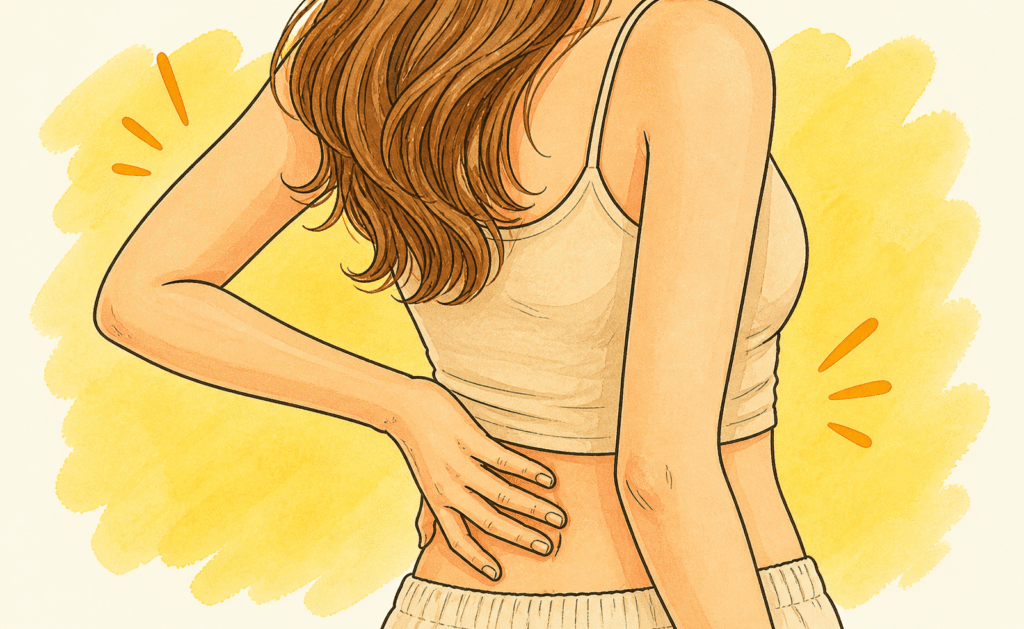
Hip pain, lower back pain, and knee and hip joint involvement are among the most frequently reported Bartonella symptoms.
Clinical literature also notes that Bartonella commonly affects the bone marrow, which can be associated with bone pain most commonly noted in the tibia, as well as the back, neck, and shoulders.
Muscle pain is also widely reported.
Many people navigating Bartonella symptoms have been told their pain is structural or orthopedic in origin when the underlying picture may be more complex.
Pain along the bra strap line
Pain along the bra strap line is one of the more specific and frequently discussed Bartonella symptom patterns in integrative medicine communities.
It is commonly noted by women navigating chronic Bartonella and is believed to relate to the lymphatic and vascular involvement in that region of the thoracic area.
It is rarely recognized in conventional settings but is a pattern that many integrative practitioners find clinically meaningful.
Plantar pain
Foot pain, particularly plantar pain on the soles of the feet, is a lesser-known but commonly reported Bartonella symptom.
Many people navigating this pattern are told they have plantar fasciitis without any exploration of an underlying infectious or systemic cause.
Abdominal pain and digestive symptoms
Abdominal pain, difficulty swallowing, and excessive thirst are among the less commonly discussed Bartonella symptoms but are noted in clinical observation.
The digestive and gastrointestinal system is deeply connected to immune function, and the inflammatory burden of Bartonella can manifest in this system in ways that are frequently attributed to other causes.
Persistent dry cough
A new or persistent dry cough that does not resolve with conventional respiratory treatment is a less frequently discussed Bartonella symptom.
It is worth considering as part of the broader clinical picture, particularly when it appears alongside other patterns in this list.
Neurological symptoms
Brain fog and memory loss are core Bartonella symptoms.
Research published in clinical literature notes that neurological presentations associated with
Bartonella includes poor balance, decreased cognition, memory impairment, restlessness, and blurred vision.
Loss of coordination is also commonly reported.
Because Bartonella has a strong affinity for the neuropeptide-rich environment of the brain and may be associated with disrupted cerebral blood flow, its neurological footprint can be significant.
Psychiatric symptoms: anxiety, panic disorder, and hallucinations
Anxiety and panic disorder are among the most overlooked Bartonella symptoms.
The psychiatric presentation of Bartonella is real and documented in clinical observation, yet it is frequently attributed to primary mental health conditions rather than an underlying infectious pattern.
Hallucinations are also reported in association with Bartonella, particularly in the context of neurological involvement.
PANS, or Pediatric Acute-onset Neuropsychiatric Syndrome, has also been discussed in integrative medicine circles in connection with Bartonella, particularly in cases of sudden psychiatric onset in children.
This is an area of active clinical observation and ongoing research.
Eye and vision symptoms
Chronic eye problems including blurred vision, photophobia, and eye irritation are noted in clinical literature as associated presentations of chronic Bartonella.
Neuroretinitis, an inflammation of the optic nerve and retina, is also documented in published research as a recognized manifestation.
Tumors in retinal tissue have also been noted in clinical literature in connection with Bartonella.
Skin patterns
Skin changes are a notable feature of Bartonella and are documented in peer-reviewed dermatology literature.
Linear skin patterns, sometimes described as stretch-mark-like striations, are commonly noted by those with a Bartonella history and are frequently discussed in integrative
Lyme and co-infection communities as a distinguishing visual pattern.
Small skin bumps are also commonly reported.
Research published in PMC identifies a broader range of cutaneous manifestations associated with Bartonella species including maculopapular rash, papules, nodules, and vascular skin changes.
These patterns are educational observations and should always be evaluated by a qualified practitioner.
Swollen lymph nodes
Swollen glands around the neck, arms, and head are among the classic presentations of cat scratch disease caused by Bartonella henselae.
In the chronic picture, lymphatic involvement is one reason why supporting drainage pathways is considered foundational in the integrative approach.
Anemia and low platelets
Because Bartonella scavenges nutrients from red blood cells, anemia can be a downstream consequence.
Low platelet count is also observed in association with Bartonella in clinical settings.
Both patterns add to the fatigue burden and further compromise the body’s capacity for immune response and tissue repair.
Cyst and tumor formation
Bartonella has been associated in clinical observation and published literature with peliosis hepatis, a condition involving blood-filled cavities in the liver.
In immunocompromised individuals, Bartonella has been observed to stimulate the formation of new blood vessels in affected tissues, which can present as tumor-like masses in the skin or internal organs, a condition known as bacillary angiomatosis.
Associations with tissue changes in the breast have also been noted in clinical literature and integrative practitioner observation.
COVID reactivation pattern
Many integrative practitioners have observed that COVID-19 may be associated with the reactivation of dormant Lyme and Bartonella patterns, as well as strep-related immune responses, in susceptible individuals.
This may help explain why some people develop significant new symptom burdens following COVID infection even after recovery from the acute illness.
The Anterior Neck Veins: The Most Overlooked Piece in Supporting the Body with Bartonella Symptoms
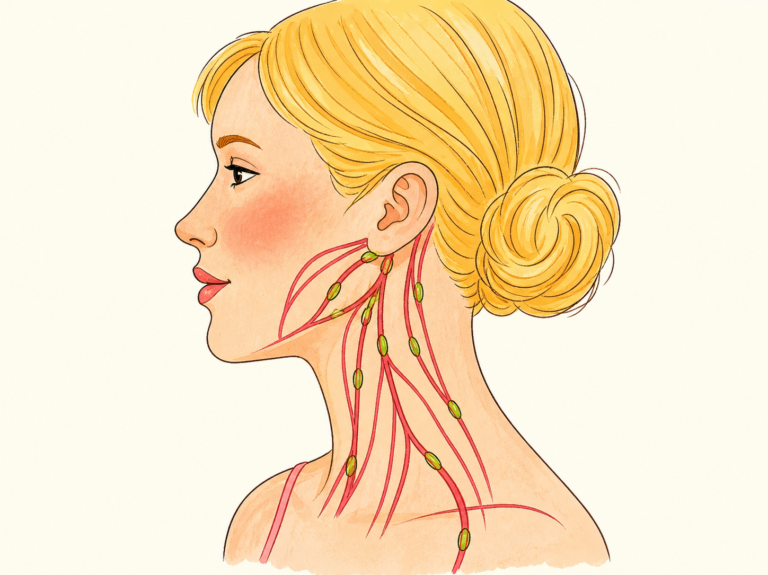
Some of the most experienced integrative practitioners working with Lyme and co-infections have noted that a significant portion of the bacterial burden in Borrelia infection is found in the anterior neck veins.
Because Bartonella is associated with immune-mediated changes in blood vessel tone and circulation, the anterior neck veins are particularly vulnerable to reduced flow.
When circulation through these vessels is compromised, the glymphatic drainage of the brain and head is also impaired.
This matters enormously because the glymphatic system, the brain’s primary waste-clearance pathway, depends on adequate circulation and is most active during deep sleep.
Integrative practitioners who support people navigating Bartonella symptoms often emphasize that nourishing the vascular and lymphatic pathways in the neck must be prioritized as a foundation before other support can be fully effective.
This is the same vascular-first principle that guides the broader approach to Lyme co-infection support.
I like to use circulation creams and salves on the neck with deep massage.
Quality sleep is therefore not optional for anyone navigating Bartonella symptoms.
Supplements like Tryptophan, Melatonin, and Progesterone may be helpful for sleep.
Also, having your last meal at least 3 hours away from bedtime.
Deep sleep is when the glymphatic system performs its most critical work of clearing metabolic waste, inflammatory byproducts, and neurotoxins from brain tissue.
Right before bed is a wonderful time to apply cream and massage the neck for max therapy.
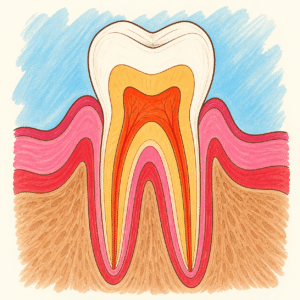
The Oral Cavity Connection in Bartonella Symptoms
The mouth is often the last place people look and one of the first places integrative practitioners look when someone is not progressing with Bartonella or Lyme co-infections.
Periodontal disease, yeast overgrowth in the oral cavity, and infected tonsils all create a chronic inflammatory burden that can continuously challenge the immune system and undermine progress on every other level.
Some biological dentists also raise educational concerns about root canals as potential sources of ongoing toxin exposure due to the complexity of fully sterilizing root canal anatomy.
The jawbone is also an area that some biological dentists and integrative practitioners have identified as a site where hypodense areas may be associated with chronic immune burden.
Oral care approaches that integrative practitioners often discuss alongside Bartonella symptom support include oil pulling with antimicrobial essential oils, probiotic support for the oral microbiome, and thorough cleaning of the tonsil crypts with a gentle buccal syringe using diluted hydrogen peroxide.
These approaches are shared as educational wellness information and are not intended to support, treat, or resolve any infection directly.
Why Parasites Are Considered First in Many Integrative Protocols for Bartonella Symptoms
One of the more surprising aspects of integrative Lyme and co-infection work is the emphasis many experienced practitioners place on supporting the body’s terrain and parasitic burden as a foundational first step, before nourishing the body’s response to Bartonella, Babesia, or even Borrelia directly.
The reasoning is that parasites, including nematodes, can themselves harbor Borrelia bacteria.
Borrelia spirochetes have been found to infect nematodes in research settings, which means that supporting the body’s internal terrain and parasitic burden first may help provide a cleaner foundation for what comes next.
Additionally, the immune suppression associated with parasitic burden can make it significantly harder for the body to mount a natural response to co-infections like Bartonella.
Integrative practitioners also note that within four minutes of a tick bite, Borrelia spirochetes may reach the brain.
This rapid dissemination is one reason why supporting the body’s drainage and immune pathways from the very beginning is considered so important in the integrative approach to tick-borne illness.
In clinical literature, some practitioners note a pattern where a lower-range white blood cell count is observed alongside parasitic burdens, though this pattern is never used in isolation and should always be interpreted by a qualified practitioner in the context of a full clinical picture.
Foundational Wellness Support Approaches for Bartonella Symptoms
There is no herb or natural protocol that is a substitute for medical treatment for Bartonella.
The following reflects how integrative practitioners approach foundational wellness support for people navigating Bartonella symptoms.
Always work with a qualified practitioner before beginning any new protocol.
Because Bartonella is endotheliotropic and lives in the lining of blood vessels, vascular support is typically prioritized first.
Herbs with a long history of use in nourishing vascular integrity and circulation are often discussed in this context.
Drainage support is also considered foundational before any other intervention.
When the body’s elimination pathways including the lymphatic system, liver, and kidneys are nourished first, the system is better positioned to process what it needs to process.
Practitioners with experience in this area typically support drainage before introducing any immune-modulating herbs.
Feel free to contact me to learn more about a holistic approach to managing Bartonella symptoms.
Comparing Bartonella Symptoms to Other Lyme Co-Infections
Because Bartonella, Babesia, and Borrelia often co-occur and share overlapping symptoms, distinguishing between them clinically can be challenging.
The interactive symptom comparison chart on this site allows you to compare presentations side by side and bring more informed questions to your practitioner conversation.
Moving Forward When You Recognize These Bartonella Symptoms
Understanding Bartonella symptoms is the first step toward asking better questions, seeking more informed practitioners, and approaching your own healing with the full picture in view.
The vascular system is the terrain Bartonella calls home.
The neck veins are the overlooked pathway that must stay open for the brain to clear and heal.
The oral cavity is the upstream environment that either supports or undermines everything downstream.
And sleep, quality deep restorative sleep, is when the glymphatic system does the work that no supplement can replicate.
Bartonella symptoms are real, they are documented in peer-reviewed literature, and they are worth taking seriously with the right foundational approach and the right practitioner support.
You are not imagining it. And you are not alone in navigating it.
Educational purposes only. This article is not medical advice and is not intended to diagnose, treat, cure, or prevent any disease. There is no herb or natural protocol that is a substitute for medical treatment for Bartonella. Always consult a qualified healthcare practitioner.
Related Articles
Chronic Lyme Disease Natural Treatment: The Holistic Protocol Most Doctors Have Never Heard Of
Bartonella Symptoms: What This Hidden Co-Infection Is Doing to Your Body
Babesia Symptoms: The Malaria-Like Co-Infection Most Doctors Miss
The Neck as Your Body’s Hidden Highway: Cervical Lymphatic Drainage and Lyme Recovery
References
- Mikes BA, Zulfiqar H, Chandranesan J. Bartonellosis. StatPearls. National Library of Medicine. Updated December 13, 2025. https://www.ncbi.nlm.nih.gov/books/NBK430874/
- National Organization for Rare Disorders (NORD). Bartonellosis. https://rarediseases.org/rare-diseases/bartonellosis/
- de Almeida Lins K, Drummond MR, Velho PENF. Cutaneous manifestations of bartonellosis. PMC. Universidade Estadual de Campinas. 2019. https://pmc.ncbi.nlm.nih.gov/articles/PMC6857551/
- Kirby JE, Nekorchuk DM. Bartonella-associated endothelial proliferation depends on inhibition of apoptosis. Proceedings of the National Academy of Sciences. 2002;99(7):4656-4661. https://pubmed.ncbi.nlm.nih.gov/11904386/
- Tsukamoto K, Shinzawa N, Kawai A, et al. The Bartonella autotransporter BafA activates the host VEGF pathway to drive angiogenesis. Nature Communications. 2020;11(1):3571. https://www.nature.com/articles/s41467-020-17391-2
- Maggi RG, Mozayeni BR, Pultorak EL, et al. Bartonella spp. bacteremia and rheumatic symptoms in patients from Lyme disease-endemic region. PMC. 2012. https://pmc.ncbi.nlm.nih.gov/articles/PMC3358077/
- Breitschwerdt EB, Maggi RG, Nicholson WL, et al. Bartonella sp. bacteremia in patients with neurological and neurocognitive dysfunction. PMC. 2008. https://pmc.ncbi.nlm.nih.gov/articles/PMC2546763/
- Pultorak EL, Maggi RG, Mascarelli PE, Breitschwerdt EB. Bartonella- and Borrelia-related disease presenting as a neurological condition. PMC. 2024. https://pmc.ncbi.nlm.nih.gov/articles/PMC10819350/
- Dehio C. Recent progress in understanding Bartonella-induced vascular proliferation. PubMed. 2003. https://pubmed.ncbi.nlm.nih.gov/12615221/
- Columbia University Irving Medical Center. Bartonellosis. Lyme and Tick-Borne Diseases Research Center. https://www.columbia-lyme.org/bartonellosis