
Radical Acceptance DBT:How to Stop Fighting Reality and Find Peace
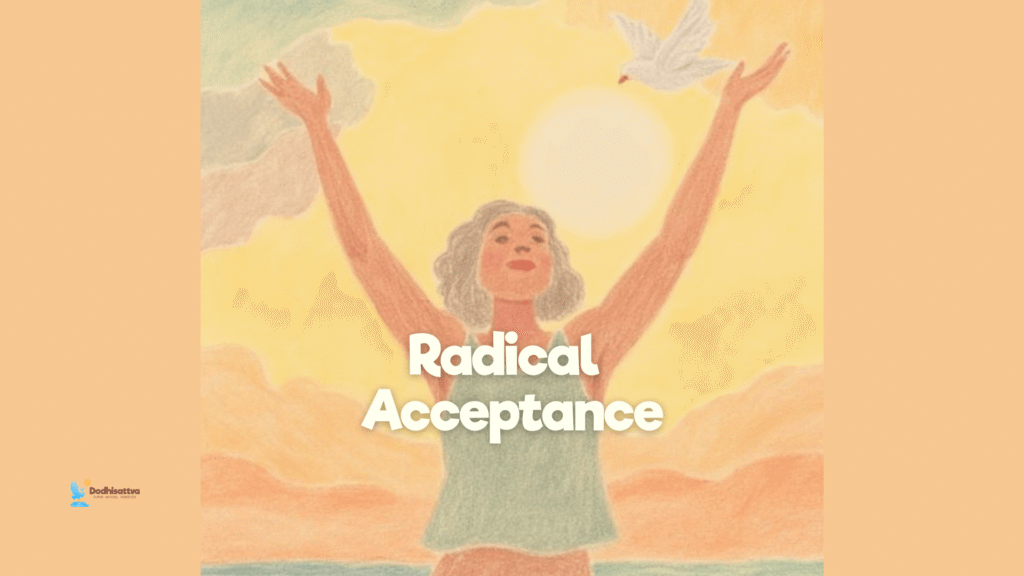
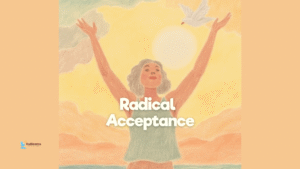
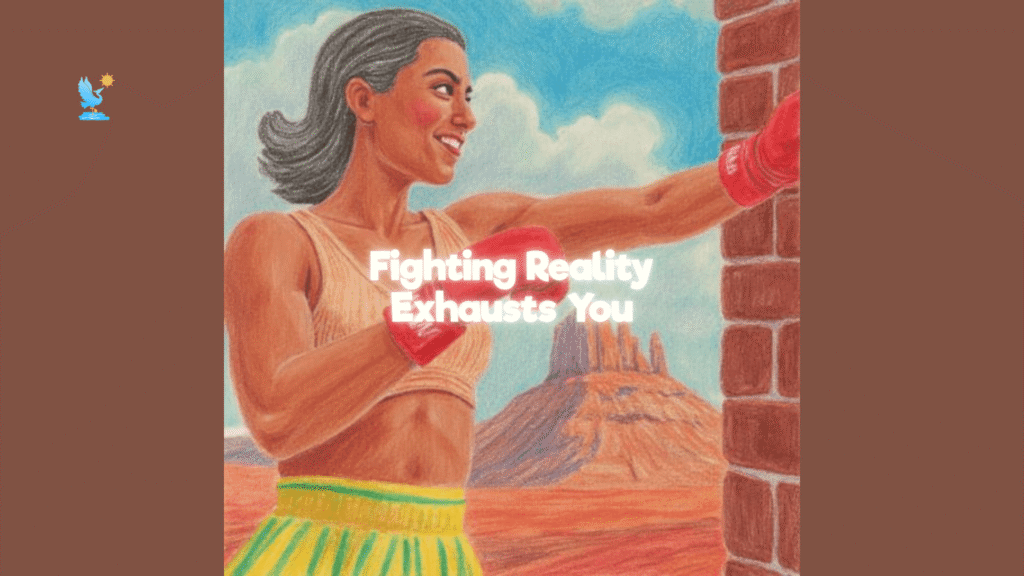
Radical acceptance DBT is the practice of stopping the fight with reality.
It actually depletes your life force, and that has massive ramifications on your health and your self-respect.
When you refuse to accept what is, you abandon your purpose. You waste precious energy on one of life’s distractions, the tests designed to see if you’ll stay stuck or move forward.
You know this already. You’ve tried arguing about what happened.
Replaying conversations. Wishing things were different. Demanding fairness from a universe that doesn’t negotiate.
None of it worked. The reality stayed the same.
The only thing that changed was how depleted you became.
There is a quote that is one of my favorites below.
"Discipline Makes The Glowing Coat of Awareness Unpalatable to the Predator."
Carlos Castaneda X
Carlos Castaneda teaches that we’re born with a luminous coat of awareness, our energetic protection, our inner light.
But as we enter this world and face its challenges, that coat begins to unravel.
Thread by thread, we lose our glow.
Discipline is what weaves it back together.
Not the discipline of punishment or rigidity.
But the discipline of conscious living.
Choosing your thoughts carefully.
Speaking with intention.
Acting from awareness instead of reaction.
This is what separates those who grow from those who stay stuck.
The warrior rebuilds their luminous coat one thread at a time, through radical acceptance, by choosing presence over resistance, and by integrating what they learn rather than just reading about it.
You can read about radical acceptance. But until you practice it, embody it, live it, it remains just an idea.
Experience is what weaves the threads back. Mastery is the fully restored coat.
As my mentor and friend Nick Good (rest in freedom, dear Nick) used to say, life is a soul-shaking event.
Radical acceptance DBT isn’t about liking what happened.
It’s about stopping the fight that’s keeping you stuck in the quicksand trap.
Because you can’t move forward while you’re still battling the past.
And here’s something that might help: we’re guests here.
Souls temporarily inhabiting these bodies, experiencing this particular moment in time.
This life, with all its pain and beauty, is a small blip in the vast existence of who you actually are.
Our karma can be met with discipline, or it can intensify, causing more karma and suffering.
That perspective doesn’t erase the pain. But it can shift how you hold it.
When you remember you’re a soul passing through, radical acceptance becomes easier.
This painful chapter? It’s temporary. You’re the observer here for a deep purpose.
This is where the virtue of tolerance can be helpful. Because this too shall pass.
What Is Radical Acceptance?
Many have written about radical acceptance.
One of the most noteworthy books I have read is Radical Acceptance by Tara Brach.
Radical acceptance is a core skill from Dialectical Behavior Therapy (DBT), created by Marsha Linehan.
It means completely accepting reality as it is in this moment, without fighting it, without judging it, without demanding it be different.
Not because you like it. Not because it’s fair. Not because you approve.
But because it’s what’s true. And arguing with truth doesn’t change it.
Radical acceptance is the practice of acknowledging: “This is what happened. This is what’s real. I don’t have to like it. I just have to stop fighting it.”
Marsha Linehan describes it this way: accepting reality as it is, not as you wish it were. Accepting the facts, even when they’re painful.
Releasing resistance so you can respond effectively instead of staying stuck in suffering.
This is one of DBT’s distress tolerance skills.
It helps you survive crisis and intense pain without making things worse.
Pain vs. Suffering: The Critical Distinction
Here’s what radical acceptance DBT teaches: pain and suffering are not the same thing.
Pain is inevitable. Life includes loss. Heartbreak. Disappointment. Illness. Death. Things you can’t control. Things that hurt.
Suffering is optional. Suffering is what happens when you fight the pain. When you argue with reality.
When you add layer upon layer of “this shouldn’t be” on top of what already is.
Pain is the event. Suffering is the battle.
Radical acceptance doesn’t eliminate pain. It eliminates the unnecessary suffering you create by resisting what’s already happened.
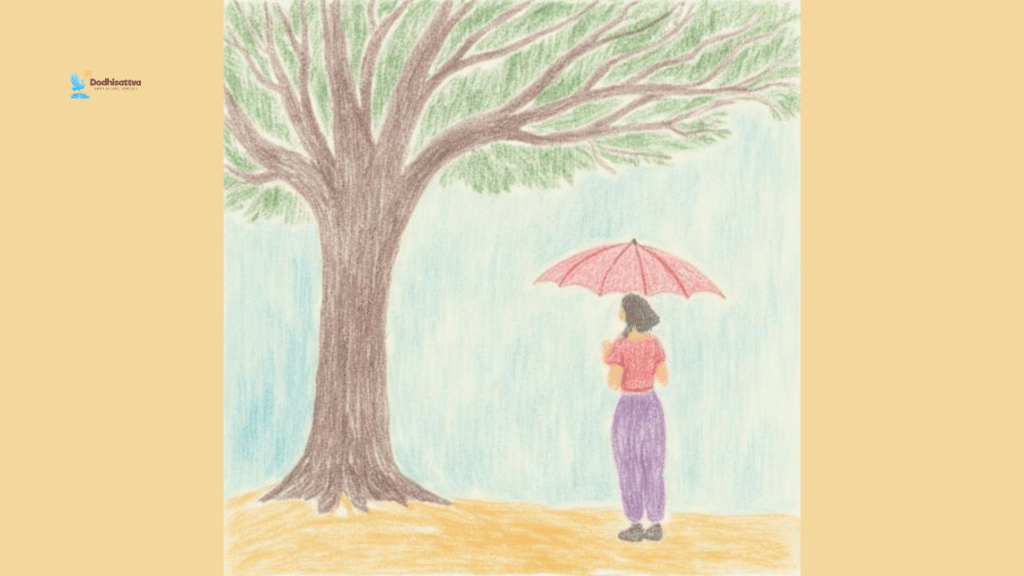
Think of it this way: You get caught in the rain. That’s pain (you’re wet, cold, uncomfortable). You can accept that you’re in the rain and find shelter. Or you can stand there furious, screaming “It shouldn’t be raining! This is unfair! I hate this!” Neither response changes the rain.
But one creates far more suffering.
Radical acceptance is choosing to find shelter instead of screaming at the sky.
Why Do We Fight Reality?
If fighting reality doesn’t work, why do we keep doing it?
Because somewhere deep down, we believe the fight serves a purpose.
We believe that if we resist hard enough, argue loud enough, refuse to accept strongly enough, maybe reality will change.
It won’t.
Here’s why we fight:
“Should” Thinking
“This shouldn’t have happened.” “They shouldn’t have done that.” “Life should be fair.”
Every “should” is an argument with reality. And reality doesn’t care about should.
Fairness Beliefs
We believe if something’s unfair, we don’t have to accept it. But fairness and acceptance are separate.
You can acknowledge something is deeply unfair AND accept that it happened.
Wanting Control
Acceptance feels like giving up control. But here’s the truth: you never had control over what already happened. Fighting it is the illusion of control. Acceptance is recognizing what you actually can and can’t control.
Fear That Acceptance Means Approval
This is huge. People resist radical acceptance because they think it means saying “this is okay.” It doesn’t. Acceptance and approval are completely different.
You can accept that someone hurt you without approving of their behavior.
You can accept that you lost something without thinking it’s fine.
You can accept reality while still working to change it.
Radical acceptance is about facts, not feelings about those facts.
Your feelings about what happened are completely valid. The anger, the grief, the sense of injustice, all of it matters. You’re allowed to feel everything you feel.
But in this moment of acceptance, you’re just acknowledging the facts: this happened. This is real. This is what it is.
The feelings come too. You’ll process them. You’ll honor them.
But acceptance starts with the simple truth of what actually occurred, separate from how you feel about it.
The Cost of Fighting Reality
When you refuse to accept what is, here’s what happens:
You stay stuck. You can’t move forward while you’re still arguing with the starting point. You’re frozen in “this shouldn’t be” while life keeps moving.
You exhaust yourself. The fight takes enormous energy. Energy you could use to heal, grow, or respond effectively.
You pile suffering on top of pain. The event hurt you once. Your resistance hurts you over and over, every single day.
You make worse decisions. You can’t respond wisely to a reality you refuse to acknowledge. Your actions come from resistance instead of wisdom.
You damage relationships. Fighting what someone did keeps you in conflict with them, even when they’re trying to repair.
You miss what’s actually here. While you’re arguing with what happened, you’re not present for what’s happening now.
The fight costs you everything. And it changes nothing.
What Radical Acceptance Is NOT
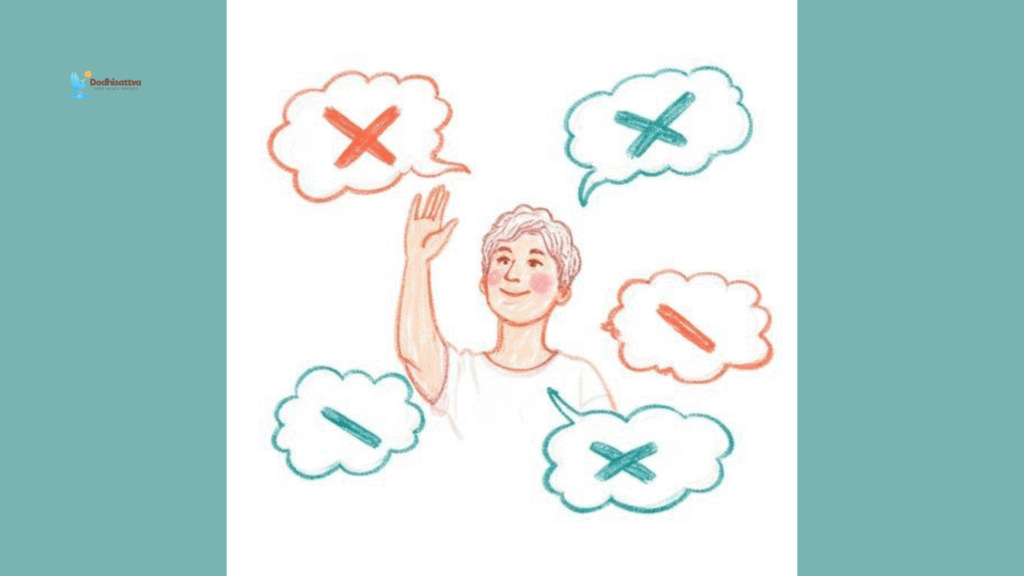
Let’s be very clear about what radical acceptance doesn’t mean.
It’s NOT approval. You’re not saying “this is good” or “this is fine” or “I’m okay with this.”
It’s NOT condoning. Accepting that someone hurt you doesn’t mean their behavior was acceptable.
It’s NOT passivity. You can accept reality AND take action to change what comes next.
It’s NOT resignation. You’re not giving up. You’re acknowledging what is so you can respond effectively.
It’s NOT forgetting or pretending it didn’t happen. The event happened. Acceptance means facing that truth, not denying it.
It’s NOT weakness. Radical acceptance takes immense strength. Fighting is easy. Acceptance is brave.
What Radical Acceptance IS
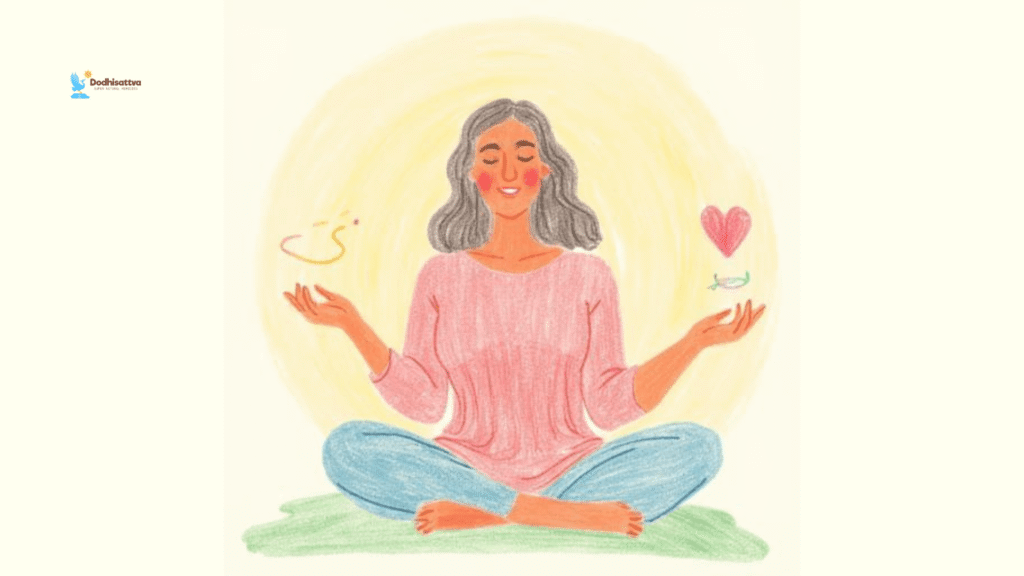
Radical acceptance is:
Acknowledging reality exactly as it is. The relationship ended. The person died. You lost the job. The diagnosis came. Whatever happened, happened.
Releasing the fight. Putting down the “this shouldn’t be” argument. Stopping the exhausting battle with what’s already true.
Creating space to respond. When you stop fighting what happened, you can finally decide what to do next.
Choosing peace over being right. You might be right that it’s unfair. Acceptance means choosing your peace over proving that point.
Making room for what’s next. You can’t build a new life while you’re still demolishing the old one in your mind.
Walking the middle path. You accept what happened AND you work to create something different going forward. Both are true.
This is the middle path DBT teaches. Acceptance AND change. Both at once.
How to Practice Radical Acceptance
Radical acceptance isn’t a one-time decision. It’s a practice. Something you choose again and again, sometimes moment by moment.
Here’s how:
1. Notice When You’re Fighting Reality
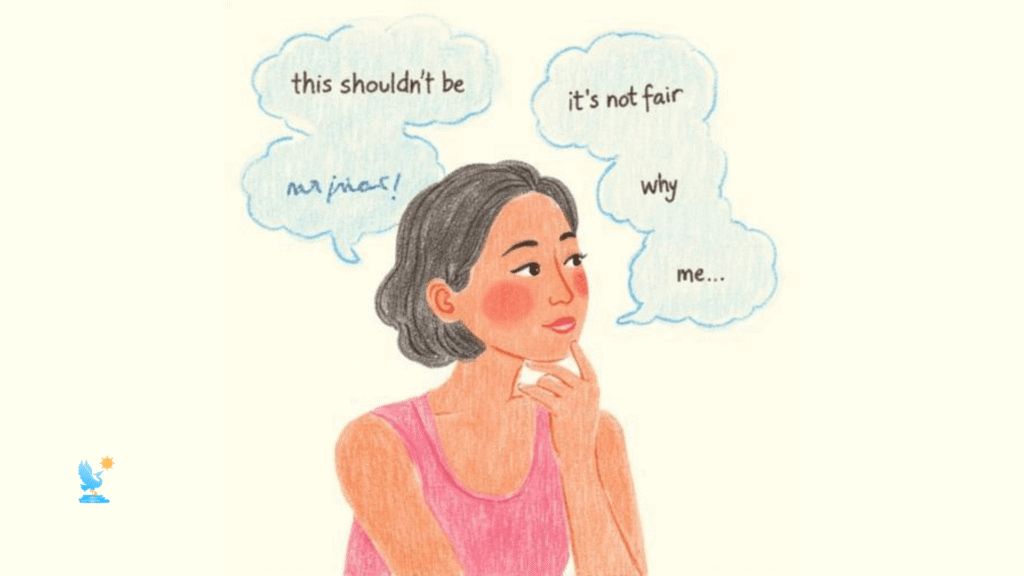
Pay attention to your thoughts. When you hear:
- “This shouldn’t be happening”
- “It’s not fair”
- “Why me?”
- “I can’t believe this”
- “This isn’t right”
That’s resistance. That’s the fight.
Just notice it. Don’t judge yourself for it. Just see: “I’m fighting reality right now.”
2. Acknowledge the Facts
What actually happened? Not your interpretation, not your feelings about it, not what should have happened. What actually is?
State it simply: “The relationship ended.” “I didn’t get the job.” “They said those words.”
Facts only. No embellishment. No story. Just what’s true.
3. Allow the Emotions
Radical acceptance doesn’t mean you’re fine with what happened. You can accept reality and still feel grief, anger, sadness, disappointment.
Feel it all. The emotions are valid. Acceptance isn’t about suppressing them.
In fact, when you stop fighting reality, you finally have space to actually feel and process the emotions instead of being consumed by the fight.
4. Choose Acceptance Over and Over
Your mind will go back to fighting. “But this shouldn’t…” There it is again.
Every time you notice, you choose again: “This is what happened. I accept this is real.”
Not once. A hundred times. A thousand times. However many times it takes.
Radical acceptance is turning your mind back to acceptance each time it wanders into resistance.
5. Use Your Body
Acceptance isn’t just mental. It’s physical.
Try these:
Half-smile: Relax your face muscles into a gentle half-smile. This signals acceptance to your nervous system.
Willing hands: Turn your palms up, arms open. This is the physical posture of willingness and acceptance.
Breathe: Slow, deep breaths. Each exhale is a release. A letting go.
Practice body awareness with this body scan meditation.
6. Take Wise Action
Here’s the beautiful part: once you accept what is, you can finally respond effectively.
You can’t make a wise decision while you’re still fighting reality. But from acceptance? You can access your Wise Mind. You can choose what comes next.
Acceptance doesn’t mean you do nothing. It means you act from clarity instead of resistance.
Radical Acceptance Examples: Real Life
Let’s look at what radical acceptance actually looks like in real situations.
Example 1: The Relationship That Ended
Fighting reality: “This shouldn’t have ended. We were supposed to be together. They made a mistake. If I just try harder, maybe…”
Radical acceptance: “The relationship ended. I don’t want this to be true. I’m heartbroken. But it is true. They made their choice. I accept this is where we are now. From this truth, what do I choose next?”
Example 2: The Job Loss
Fighting reality: “This is so unfair. I worked so hard. They shouldn’t have let me go. My boss was wrong. This isn’t right.”
Radical acceptance: “I lost my job. It feels unfair. I’m angry and scared. And it’s real. I don’t have that job anymore. I accept this is my current reality. Now, what do I need to do to move forward?”
Example 3: Chronic Illness
Fighting reality: “I shouldn’t be sick. My body should work properly. This isn’t fair. Why is this happening to me?”
Radical acceptance: “I have this illness. I wish I didn’t. But I do. This is my body’s reality right now. I accept this. From this acceptance, how do I care for myself? What quality of life can I create within this reality?”
Example 4: Someone’s Hurtful Behavior
Fighting reality: “They shouldn’t have said that. How could they? They need to apologize. They’re wrong.”
Radical acceptance: “They said those words. It hurt. I don’t approve of what they did. But it happened. I accept that this is what they chose. Now, how do I protect myself going forward? What boundaries do I need?”
Example 5: Your Own Past Mistakes
Fighting reality: “I shouldn’t have done that. I should have known better. I ruined everything. I can’t forgive myself.”
Radical acceptance: “I made that choice. It wasn’t my best moment. I wish I’d done differently. But I can’t change the past. I accept that this happened. I learn from it. I make different choices now. I’m allowed to grow.”
Learn more about accepting yourself and building self-worth here.
See the pattern? Radical acceptance doesn’t erase the feelings. It doesn’t make everything okay. It just stops the exhausting fight with what’s already done.
Radical Acceptance and Wise Mind
You can’t access Wise Mind while you’re fighting reality.
Wise Mind requires integration. Calm. Clarity. The ability to hold complexity.
When you’re in resistance, you’re in Emotion Mind (angry, overwhelmed, reactive) or Reasonable Mind (intellectualizing, detached, avoiding feelings). Neither can access wisdom.
But radical acceptance? That creates the space for Wise Mind to emerge.
When you accept “this is what happened,” you can ask: “What does my Wise Mind say I should do now?”
And the answer comes. Not from the panicked fight. Not from the cold detachment. But from that quiet, grounded knowing.
Radical acceptance is the doorway to Wise Mind.
Being in wise mind is in alignment with your mission and purpose in life. It keeps you on the right track in your life.
Radical Acceptance and Self-Worth
Here’s something people don’t talk about enough: you can’t build genuine self-worth on top of self-rejection.
If you can’t accept your past, your mistakes, your humanity… you’re constantly at war with yourself. And that war destroys self-worth.
Radical acceptance of yourself means:
- I made mistakes. I accept that.
- I’ve been hurt. I accept that.
- I’m imperfect. I accept that.
- I’m still worthy. I accept that too.
You don’t have to be perfect to be worthy. You just have to be real.
Radical self-acceptance is the foundation of genuine self-worth. Not “I’m perfect.” But “I’m human. I accept all of it. And I’m still worthy of love, belonging, and care.”
Learn how to build self-worth through radical self-acceptance here.
When Radical Acceptance Feels Impossible
Sometimes radical acceptance feels like too much. The pain is too big. The injustice is too overwhelming. The loss is too recent.
That’s okay. You don’t have to do it perfectly. Here’s how to start:
Start Small
You don’t have to accept the whole thing at once. Accept one tiny piece.
Can you accept that today happened? Can you accept this one moment?
Start there. Build from there.
Use Willingness Instead of Willfulness
Willfulness is fighting, demanding, insisting reality be different.
Willingness is being open. Just a crack. Just enough to say “maybe I could accept this.”
You don’t have to leap into acceptance. Just be willing to consider it.
Practice Body-Based Acceptance
Sometimes your mind can’t get there, but your body can.
Soften your jaw. Release your shoulders. Open your hands. Let your body show acceptance even when your mind is still fighting.
Try this body scan practice to release physical resistance.
Get Support
Radical acceptance is hard. You don’t have to do it alone.
Talk to a therapist. A trusted friend. Someone who can hold space for both your pain and your acceptance.
DBT therapy or groups specifically teach these skills with support and guidance.
Remember: You’re a Soul Having a Temporary Experience
This is the piece that changes everything.
You’re not just this body, this life, this painful chapter. You’re a soul. Eternal. Vast. Experiencing this particular moment in time.
This loss, this pain, this injustice? It’s temporary. A small blip in the infinite existence of who you actually are.
That doesn’t make the pain less real. But it does put it in perspective.
You’re a guest here on Earth. Passing through. Learning. Growing. Experiencing.
And when you remember that, radical acceptance becomes easier. Because you know: this too shall pass. This life is temporary. This pain is temporary. But you? You’re eternal.
Hold that perspective. Let it soften the edges of your resistance.
Practices for Radical Acceptance
Here are specific techniques to practice radical acceptance daily:
Half-Smile
Relax your face into a gentle half-smile. Not a fake happy smile. Just a soft, neutral expression.
This signals safety to your nervous system. It’s the physical embodiment of acceptance.
Use it when you’re practicing accepting something difficult.
Willing Hands
Sit or stand with your hands open, palms facing up, resting on your lap or by your sides.
This is the posture of willingness. Of receiving. Of acceptance.
Notice how different this feels from clenched fists (resistance).
Turning the Mind
Every time your mind goes back to “this shouldn’t be,” gently turn it back to acceptance.
“This is what happened. I accept this is real.”
Over and over. However many times it takes.
It’s not one decision. It’s a thousand small choices to turn back toward acceptance.
Observing Your Breath
Sit quietly. Breathe.
On each exhale, imagine releasing resistance. Letting go of the fight.
Inhale: “This is what is.” Exhale: “I accept.”
Simple. Repetitive. Grounding.
Radical Acceptance Coping Statements
Keep these phrases handy:
- “It is what it is.”
- “I can’t change the past.”
- “Fighting this doesn’t help.”
- “I accept this moment as it is.”
- “This is temporary. I am eternal.”
- “I release what I cannot control.”
Say them. Write them. Repeat them.
Radical Acceptance Doesn’t Mean You Stop Working for Change
This is crucial: radical acceptance and working for change are not opposites.
You can accept what is AND work to create something different.
In fact, you can ONLY create effective change from a place of acceptance.
Think about it:
- You accept you have the illness. Then you research treatments.
- You accept the relationship ended. Then you heal and eventually date again.
- You accept you made a mistake. Then you learn from it and choose differently.
- You accept the injustice happened. Then you work to prevent it from happening to others.
Radical acceptance isn’t passivity. It’s the foundation for wise action.
This is the middle path DBT teaches. Accept reality as it is. Work to change what comes next. Both. Always both.
You Can Accept and Still Grieve
Radical acceptance doesn’t mean you’re over it. It doesn’t mean you’re fine.
You can accept the loss and still cry. You can accept the ending and still miss them. You can accept what happened and still wish it were different.
Acceptance and grief coexist.
In fact, true grieving can only happen once you stop fighting reality. When you accept “they’re really gone,” then you can fully grieve.
The fight delays grief. Acceptance allows it.
And grief, when fully felt, eventually transforms into peace.
Reflection Questions for Deeper Practice
Radical acceptance isn’t just an intellectual exercise. It’s a lived practice that asks you to look deeply at yourself and your patterns.
Here are some questions to sit with as you practice acceptance:
Are You Willing to Feel Good?
This might sound strange, but ask yourself honestly: Are you willing to feel good all the time? Or are you addicted to things going wrong?
Some of us have become so accustomed to struggle, to drama, to things being difficult that peace feels unfamiliar. Uncomfortable, even.
If you find yourself constantly bracing for the next problem, constantly finding something to resist, you might be addicted to the fight itself.
Radical acceptance asks: What if you could just… let things be okay?
What Is the Seed of Benefit Here?
When something painful happens, it’s easy to stay stuck in “this is terrible, this shouldn’t be, why me?”
But here’s a wise mind question: How might I learn from this? What is the seed of benefit here that I need to see to stop this karmic loop?
Every challenging situation carries a lesson. Not because the universe is punishing you, but because souls grow through experience.
When you stop fighting reality and start asking what you’re meant to learn, you break the cycle. You stop creating more negative karma. You move forward instead of staying stuck.
Are You Operating from Strength or Depletion?
Notice where you’re coming from when challenges arise.
When we’re operating from fear, exhaustion, or feeling depleted, we tend to absorb negative energy. We ruminate. We potentiate more karma. We make decisions from lack and vulnerability, which creates more suffering.
But when we’re grounded and centered, we can learn from what happens without taking on the weight of it. We keep our energy clean. We respond from strength instead of reacting from depletion.
We recognize that, soul to soul, we’re all co-creating experiences to deepen our understanding. From that place, we can send wellness and release the rest.
What Matters More: Being Right or Your Peace?
Your psycho-spiritual self-development is more important than any co-dependent relationship.
It’s more important than being right.
It’s more important than proving a point.
It’s more important than making someone else see things your way.
Radical acceptance asks: Are you willing to choose your growth over the fight? Your peace over being right? Your freedom over staying stuck in resistance?
Because that’s what this practice ultimately offers. Freedom.
Getting Started with Radical Acceptance Today
You don’t need to accept everything at once. You don’t need to be perfect at this.
Start here:
Pick one thing you’ve been fighting. Something you keep replaying. Something you argue with daily.
Ask yourself: “What if I stopped fighting this? What if I just accepted this is what happened?”
Notice what comes up. Fear? Relief? Resistance? Grief? All of it is valid.
Try acceptance for just today. Not forever. Just today.
“Today, I accept this is real. Tomorrow I can decide again.”
And see what shifts.
Radical acceptance changes everything. Not because it changes reality. But because it changes your relationship with reality.
And that? That’s where freedom lives.
Related DBT Skills:
- Complete Guide to DBT Skills: Master the Middle Path
- Wise Mind DBT: How to Access Your Inner Wisdom
- How to Build Self-Worth Through Radical Self-Acceptance
- Body Scan Meditation: Release Physical Resistance
- DBT for Shame: Accept Your Past Without Letting It Define You
- STOP Skill: Pause Before Reacting to What You Can’t Control
You can’t change what already happened. But you can choose what happens next. Start with acceptance. Move forward from there.
POPULAR POSTS