
Natural Remedy For Lyme Disease: A Holistic Recovery Guide

Finding the right natural remedy for lyme disease is not as simple as taking one herb and hoping for the best.
True recovery requires a layered approach, one that starts with opening your body’s drainage pathways, supporting your elimination channels, checking for other toxin loads, disrupting biofilm, and then hitting the infection with targeted herbal support.
But there is one piece of this puzzle that almost nobody is talking about, a hidden vulnerability in your own body that Lyme exploits from day one, and once you understand it, everything about your recovery strategy changes.
If you have been sick for a long time and nothing has worked, keep reading.
This guide is where you start.
You’re likely one of the thousands of people searching for answers on how to recover from chronic Lyme disease, especially if antibiotics didn’t fully work or you’re dealing with persistent symptoms.
Maybe you’ve completed treatment, but you’re still struggling with fatigue, brain fog, a strange symptoms such as tingling arms, pain and the list goes on.
Or maybe you have some symptoms that are linked to an autoimmune disease that won’t go away.
Did you know you can acquire lyme in the womb before you have an immune system built up.
Maybe you’re looking for a natural Lyme disease protocol that addresses the root causes.
Then there are some of you who have never been bitten by a tick but still have strange symptoms that look like Lyme’s, and this information is here to help you as well.
Either way, you’ve come to the right place.
The conversation around Lyme disease transmission is more complex than most people realize.
While mainstream medicine maintains that only blacklegged ticks transmit Lyme disease, emerging research tells a more nuanced story, one that matters for your healing journey.
The Vector Controversy: It’s Not Just Ticks Anymore
For years, we’ve been told that Lyme disease is exclusively transmitted by tick bites.
But here’s what the research actually shows: Borrelia bacteria (the spirochetes that cause Lyme disease) HAVE been found in other arthropods.
Studies from the 1980s isolated Borrelia from mosquitoes and horseflies, with anecdotal reports of the characteristic erythema migrans (bull’s-eye) rash following deer fly bites.
A groundbreaking German study found Borrelia DNA in ten different mosquito species, including in laboratory-raised adults from wild-caught larvae, suggesting the bacteria can survive through mosquito life stages.
Research in New York found that up to 80% of certain spider species carried Borrelia bacteria.
The catch? While these organisms can carry the bacteria (they feed on infected animals), some evidence suggests they cannot transmit it to humans.
The most recent 2025 study found that mosquitoes rapidly eliminate Borrelia spirochetes due to digestive enzymes, preventing transmission.
Here’s what we know for certain: Many Lyme disease patients don’t recall ANY tick bite. The bacteria IS present in other arthropods.
There ARE anecdotal reports of Lyme symptoms developing after non-tick bites.
What this means for your healing: Whether you were bitten by a tick, a mosquito, or a spider, or you simply don’t remember it, doesn’t matter for your recovery protocol.
The bacteria are in your system, and you need comprehensive strategies to address them.
Don’t get caught up in the “how”—let’s focus on the “now what.”
Dodhisattva Wellness Guide
Lyme & Co-Infection Symptom Comparison
Tap any symptom to learn which infection it points to and why.
For educational purposes only. Not medical advice. Work with a qualified practitioner for diagnosis and treatment.
Understanding the Lyme Disease Complex: Why Antibiotics Alone Often Fail
Before we dive into the natural lyme disease protocol for recovery, you need to understand what you’re actually dealing with.
You are fortunate to be here because many don’t even realize that lyme is the issue they have.
With questionable testing methods that don’t actuallly properly find the lyme disease itself leaves people hopeless to their symptoms.
Lyme is a true pandemic of extraordinary proportions at this time.
Some of you who have used antibiotics to try and recover from chronic Lyme disease and still have symptoms that won’t go away.
- The Spirochete Infection: Borrelia burgdorferi and related species
- Co-Infections: Babesia, Bartonella, Mycoplasma, Ehrlichia, and others
One thing to note is that Babesia is a parasitic infection and can take a bit more time to recover from. - Biotoxins: Neurotoxins produced by the microbes themselves
- Biofilms: Protective matrices where bacteria hide from your immune system
- Compromised Detoxification: Your drainage pathways are likely backed up
- Immune Dysregulation: Your immune system is both overactive and underactive in different ways
- Environmental Factors: EMF exposure, mold, heavy metals
This is why antibiotics alone often fail for chronic Lyme disease.
You’re not just fighting one bacterium; you’re addressing a complex ecosystem of dysfunction.
That’s why you need a comprehensive herbal protocol for Lyme disease combined with powerful detoxification support.
When lyme is present in the body it weakens the immune system and allows parasites to easily take hold in your system.
What’s more, it is harder for your body to fight other microbes and toxins like mold and metals.
If you do have mold, heavy metal toxicity, and parasites, it is important to address them in stages alongside Lyme disease and the co-infections.
First, you would strengthen your immune system and work on drainage, then introduce take on parasites first then heavy metals then take on the mold.
Slowly integrating into the Lyme treatment as the body can handle.
The Foundation: The Lyme Disease Detox Protocol Begins Here
This is the most critical step that most people skip, and it’s why they get sicker when they start any herbal protocol for Lyme disease.
Think of your body’s detoxification system like a funnel. At the top, you have your cells and tissues. In the middle, you have your liver, kidneys, and gut.
At the bottom—the drain—you have your lymphatic system, bowels, skin, and kidneys.
If the drain is clogged, everything backs up.
When you start killing Borrelia and co-infections with antimicrobial herbs or antibiotics, they release toxins as they die (called a Herxheimer reaction or “herx”).
If your drainage pathways aren’t open, these toxins have nowhere to go.
They recirculate through your system, making you feel worse, sometimes dramatically worse.
A lot of times you will feel discomfort in the neck.
We will be addressing the neck and oral cavity in Part 2 of this article. Stay Tuned!
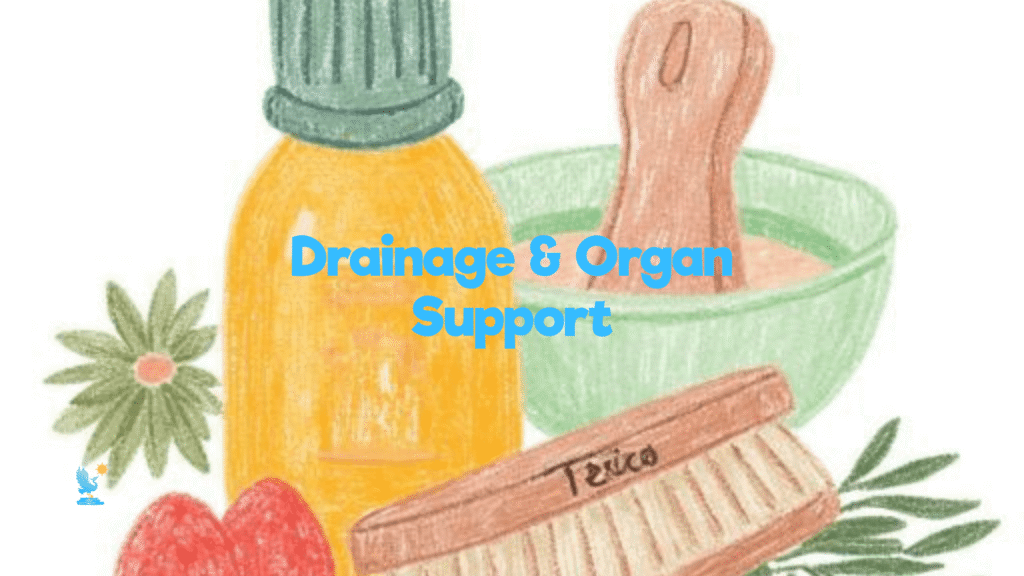
The Most Effective Natural Remedy for Lyme Disease Starts With Drainage
The Lymphatic System: Your Body’s Drainage Highway
Your lymphatic system is responsible for removing cellular waste, toxins, and dead pathogens from your tissues.
Unlike your circulatory system, which has the heart to pump blood, your lymph has no pump.
It relies on movement, muscle contractions, and manual stimulation.
In chronic Lyme, the lymphatic system becomes STAGNANT. Spirochetes and biotoxins accumulate in lymph nodes and tissues, creating inflammation and blocking drainage.
How to Open Your Lymphatic Drainage:
1. Lymphatic Massage (Especially the Neck)
The neck is where your lymphatic system drains into your bloodstream and where these critters like to hide out.
Gentle massage of the sides of your neck, behind your ears, and at the base of your skull can dramatically improve lymph flow.
Technique: Using gentle pressure, stroke downward from behind your ears toward your collarbone. Do this for 5 minutes twice per day.
You can use a circulation-promoting cream or add lymph-supporting essential oils like cypress, grapefruit, or frankincense mixed with a carrier oil.
2. Dry Skin Brushing
Your skin is your largest organ of elimination. Dry brushing stimulates lymph flow, removes dead skin cells, and opens pores for detoxification.
Technique: Using a natural bristle brush, brush your skin in long strokes toward your heart. Always brush toward lymph nodes (armpits, groin, behind knees). Do this for 5-10 minutes before showering, 3-5 times per week.
3. Rebounding (Mini Trampoline)
This is one of the MOST effective ways to move lymph. The gentle bouncing creates a pumping action that moves lymphatic fluid throughout your body.
Protocol: Start with just 5 minutes daily (you’ll be surprised how tired you get at first). Gradually work up to 15-20 minutes. Even gentle bouncing where your feet barely leave the surface is effective.
4. Infrared Sauna Therapy
Saunas do double duty: they mobilize toxins through sweating AND they create an inhospitable environment for spirochetes (Borrelia cannot tolerate high temperatures).
Protocol: Start with 10-15 minutes at 130-140°F, gradually increasing to 20-30 minutes as tolerated. Do this 3-5 times per week. CRITICAL: Shower immediately after to rinse toxins from your skin. Stay hydrated and replace electrolytes.
5. Ionic Foot Baths
These devices use ionization to draw toxins out through the feet. While controversial, many Lyme patients report significant benefit.
This is because it removes heavy metals from the system.
Not into the water, but usually 24 hours later, in the urine you can see lots of metals dumping.
Protocol: 30-minute sessions, 2-3 times per week. You’ll see the water change color as toxins are released. Always follow with a foot massage to stimulate reflex points.
6. Castor Oil Packs
Applied over the liver and abdomen, castor oil packs stimulate lymphatic drainage and liver detoxification.
Protocol: Apply castor oil-soaked flannel to your right side (over liver), cover with plastic, apply heat for 45-60 minutes, 3-4 times per week.
7. Vibration Plate
Get a vibration plate on Amazon and use it daily to move the lymph and promote energy flow through your body.
Terrain Modification: Making Your Body Inhospitable to Infection
Borrelia and co-infections thrive in specific environments. Change the terrain, and you change the game.
Cistus Tea: The Biofilm Disruptor
Cistus incanus (rock rose) is a powerful herb that does THREE critical things:
- Breaks down biofilms where bacteria hide
- Has direct antimicrobial effects against Borrelia
- Prevents tick bites when consumed regularly (compounds are excreted through skin)
- Antiviral and antifungal properties address co-infections
Protocol: Start with 2 cups daily, slowly increasing to 6-8 cups per day as tolerated.
The thing about this is you want to go slow due to breaking up the home of which these pathogens live. Slowly doing it will lead to less detox symptoms.
Brew for 5 minutes to maximize polyphenol content.
This is one of the foundational herbs you should take throughout your entire healing journey.
Why it works: Cistus contains unique polyphenols that disrupt the protective biofilm matrix.
Think of biofilms as the “houses” where bacteria hide from your immune system and antimicrobials. Cistus tea evicts them from their homes, making them vulnerable to treatment.
The Hyaluronic Acid Factor
Here’s something most people don’t know: Borrelia spirochetes FEED on hyaluronic acid.
Hyaluronic acid is found in your joints, skin, eyes, and connective tissues—exactly where Lyme causes the most damage.
The bacteria literally consume the substance that keeps your joints lubricated and your tissues healthy.
The spinal discs can begin to deteriorate when Lyme has been present for a long time, as the bacteria eat away at the hyaluronic-rich tissue.
Strategy: One way to work with hyaluronic acid and to supplement with it, and then half an hour later take your Lyme herbal cocktail.
This way once they come out to feed you have taking your herb tinctures to weaken them.
Work with a knowledgeable practitioner to determine the best approach for you.
Building Your Natural Remedy for Lyme Disease Protocol Step by Step
The Herbal Antimicrobial Protocol: A Natural Lyme Disease Protocol That Works
Once your drainage pathways are open (THIS IS ESSENTIAL for any lyme disease treatment after antibiotics failed), you can begin targeted antimicrobial therapy using herbs.
Herbal Support for Lyme Disease & Co-Infections: A Plant-Based Guide
Chronic Lyme disease rarely travels alone.
Two of the most common co-infections are Bartonella and Babesia, transmitted alongside Borrelia, and can significantly complicate recovery if left unaddressed.
While each organism requires its own targeted approach, many healing traditions and modern herbalists have identified specific plants with properties that support the body’s ability to manage these infections.
The herbs below have been used across traditional and integrative wellness contexts for their antimicrobial, anti-inflammatory, adaptogenic, and detoxifying properties.
Explore each one to understand its role in a holistic co-infection support protocol.
The Core Herbal Cocktails:
Would you like to get these tinctures? Please message me on my contact form.
Dodhisattva Wellness Guide
Herbal Support for Lyme & Co-Infections
Explore the plant-based herbs traditionally used to support the body through Lyme disease and its two most common co-infections — Bartonella and Babesia. Tap any category to explore.
Lyme Disease — Tap an herb to learn more
Bartonella — Tap an herb to learn more
Babesia — Tap an herb to learn more
Co-Bartonella Blend — Tap an herb to learn more
This guide is for educational purposes only and does not constitute medical advice. Always work with a qualified practitioner before beginning any herbal protocol.
Making Herbs WORK: Delivery Systems Matter
The problem with oral herbs is bioavailability. Most antimicrobials don’t cross the blood-brain barrier well, and Borrelia LOVES hiding in the brain and nervous system.
Liposomal Delivery:
Wrapping herbs in liposomes (phospholipid bubbles) dramatically increases absorption and allows them to cross the blood-brain barrier.
Protocol: Look for liposomal versions of key herbs, or consume herbs with phospholipids (like sunflower lecithin). Blend your herbal tinctures with 1-2 tablespoons of MicroPhos (phospholipid supplement) for DIY liposomal delivery.
DMSO (Dimethyl Sulfoxide):
This is a penetrant that drives compounds deep into tissues, joints, and across the blood-brain barrier. DMSO has its own antimicrobial properties and reduces inflammation.
Protocol: Can be applied topically over painful joints or areas of infection. Some practitioners use it orally in carefully measured doses under supervision. CAUTION: DMSO is extremely powerful and will carry ANYTHING through your skin—good or bad. Only use pharmaceutical-grade DMSO and ensure skin is clean before application.
Building the Protocol: How to Recover from Chronic Lyme Disease Step-by-Step
This chronic lyme disease recovery protocol is designed to be implemented gradually. Rushing this process is the #1 mistake people make.
Focus ONLY on opening drainage pathways. This is not glamorous, but it’s essential.
- Start lymphatic massage daily
- Begin dry skin brushing 3x weekly
- Introduce gentle rebounding (5 minutes daily)
- Begin Cistus tea (2 cups daily)
- Ensure bowel movements are regular (2-3 times daily)
- Hydrate heavily (half your body weight in ounces)
Phase 2: Terrain Modification (Weeks 4-8)
Continue all Phase 1 protocols while adding:
- Increase Cistus tea to 4-6 cups daily
- Add infrared sauna 2-3x weekly
- Begin castor oil packs over liver
- Add binders (activated charcoal, bentonite clay, or chlorella) to trap toxins in the gut
- Consider ionic foot baths
Phase 3: Gentle Antimicrobial Introduction (Weeks 8-12)
Continue all previous protocols while slowly introducing herbs:
- Start with ONE herb at a very low dose
- Increase by 2-5 drops every few days
- Watch for herx reactions (headache, fatigue, joint pain, mood changes)
- If you herx, pause and focus on drainage for a few days
- Gradually add additional herbs one at a time
Phase 4: Full Protocol (Month 4+)
Once you’re tolerating herbs well:
- Full herbal antimicrobial cocktail
- Consider liposomal delivery for key herbs
- Continue aggressive drainage support
- Add other supportive therapies (see below)
Additional Critical Strategies
Electromagnetic Field (EMF) Mitigation
This is non-negotiable. EMF exposure dramatically increases the virulence of Borrelia and other pathogens.
Actions:
- Turn off WiFi at night
- Keep phones away from your body (especially when sleeping)
- Consider EMF-shielding paint for bedrooms
- Use wired internet connections when possible
- Limit screen time
Gut Health Restoration
Lyme and antibiotics devastate your microbiome. Your gut is 70% of your immune system.
Protocol:
- Premier quality probiotics
- Fermented foods (if tolerated)
- Bone broth for gut lining repair
- Avoid sugar, gluten, and processed foods
- Consider digestive enzymes and HCL supplementation
Nervous System Support
Lyme affects the nervous system profoundly. You MUST support it during healing.
Strategies:
- Magnesium glycinate or threonate (for brain)
- B-complex vitamins (especially B1, B6, B12)
- Omega-3 fatty acids (reduce neuroinflammation)
- Meditation and breathwork (regulate nervous system)
- Gentle movement (yoga, tai chi, qigong)
Sleep Optimization
You heal in your sleep. Period.
Protocol:
- Blackout curtains
- Cool room (65-68°F)
- No screens 2 hours before bed
- Consider melatonin, magnesium, or herbs like passionflower
- Keep a consistent sleep schedule
Spiritual and Emotional Healing
Lyme disease is traumatic. The physical burden is matched by emotional and spiritual suffering.
Remember:
- Your worth isn’t determined by your productivity
- Healing isn’t linear—there will be bad days
- Practice radical acceptance of where you are NOW
- Consider therapy, especially somatic therapy or EMDR
- Connect with others who understand (Lyme support groups)
- This experience can catalyze profound spiritual growth
The DBT Connection: Distress Tolerance for Lyme Healing
Dialectical Behavior Therapy skills are INVALUABLE for Lyme recovery:
Radical Acceptance: Accept that you have Lyme without fighting reality. This doesn’t mean giving up, it means stopping the suffering that comes from “this shouldn’t be happening.”
Distress Tolerance: Herxheimer reactions are brutal. Use self-soothing techniques such as cold showers, weighted blankets, and grounding exercises to ride out the waves without panic.
Mindfulness: Pain and symptoms pull you into the future (“will I ever get better?”) or past (“why did this happen?”).
Come back to THIS moment, THIS breath.
Emotion Regulation: Lyme causes mood swings, rage, anxiety, and depression through inflammation and neurotoxins.
Recognize when symptoms are physical, not “you.”
What NOT to Do
Don’t:
- Start aggressive antimicrobials before opening drainage (you’ll herx severely)
- Kill too fast (slow and steady wins this race)
- Ignore co-infections (they must be addressed)
- Neglect your nervous system
- Stay in high-EMF environments
- Eat inflammatory foods
- Push through crashes (rest is healing)
- Lose hope (recovery IS possible)
How Long Does Recovery Take?
The honest answer: it depends.
For some people with acute Lyme caught early, recovery can happen in months. For those with chronic Lyme, persistent infections, or severe co-infections, it can take 1-3 years of dedicated healing work.
But here’s what I can promise you: Every person who commits to comprehensive healing protocols makes progress. You may not heal linearly. You may have setbacks. But you WILL move forward.
Signs You’re Healing
- Less frequent crashes
- Better sleep quality
- Improved mental clarity (“brain fog” lifting)
- Reduced pain and inflammation
- More good days than bad days
- Increased energy and stamina
- Return of joy and hope
Your Invitation to Radical Self-Love
Lyme disease doesn’t just attack your body—it attacks your sense of self. You forget who you were before. You wonder if you’ll ever feel “normal” again.
Here’s what I want you to know: You are not broken. You are not weak. You are a warrior fighting an invisible battle.
The healing journey isn’t just about killing bacteria. It’s about coming home to yourself. It’s about learning to listen to your body’s wisdom. It’s about building the life you want to live WHILE you heal, not waiting until you’re “better.”
Your body has an extraordinary capacity to heal when given the right support. Trust the process. Trust yourself.
Final Thoughts: Integration Over Perfection
You don’t have to do everything in this article at once.
In fact, please don’t.
Start with drainage.
Add things slowly.
Listen to your body.
Work with a knowledgeable practitioner who understands complex chronic illness.
This is a marathon, not a sprint. Pace yourself.
Celebrate small wins. Rest without guilt.
And know that on the other side of this journey, you will emerge not just healed, but transformed.
The path through Lyme disease is one of the most challenging journeys a person can take.
But it’s also an opportunity, to know yourself deeply, to honor your body’s wisdom, to build unshakeable resilience, and to expand your consciousness beyond what you thought possible.
One day, one step, one breath at a time.
Before You Do Anything Else: Start With the Vascular System
Here is something most Lyme protocols completely miss, and it is the reason so many people throw everything at this infection and still don’t move the needle.
You cannot detox what you cannot reach.
And if your vascular system is compromised, nothing you take will get where it needs to go.
This matters especially now, because COVID-19 has emerged as a powerful reactivation trigger for dormant Lyme and co-infections.
The spike protein causes its own form of endothelitis, inflammation of the endothelial cells that line every blood vessel in your body.
For anyone already carrying Borrelia or Bartonella, COVID essentially throws gasoline on a smoldering fire.
Many people who felt they had their Lyme managed found themselves in a full flare after a COVID infection, and couldn’t understand why.
This is why.
Bartonella makes this even more urgent and more sinister.
Bartonella is what is known as an endotheliotropic organism, meaning it does not just float in the bloodstream.
It actually lives inside the endothelial cells.
It targets the neuropeptides in brain tissue specifically, disrupting blood flow to the brain and creating the perfect storm for neurological symptoms: the depersonalization, the brain fog, the rage, the disconnection that so many Lyme patients experience and are told is “just anxiety” or “just depression.”
When endothelial cells are inflamed, infected, or damaged, circulation slows.
Biofilms form more easily. The immune system cannot get to the infection.
Detox pathways back up.
This is why the very first step in any serious Lyme recovery protocol is not an antimicrobial…it is opening and healing the vascular system.
Enzymes like lumbrokinase, nattokinase, and serrapeptase are among the most powerful tools for this.
Have you ever read my blog on systemic enzyme therapy?
They break down fibrin, dissolve biofilm, reduce inflammation in the vessel walls, and restore healthy circulation, essentially clearing the highway so everything else can work.
You take the antimicrobials after the road is open, not before.
⚡ The Protocol Order Matters
Most people start with antimicrobials and wonder why they're not healing. The correct order is: open drainage pathways → heal the vascular system → support the glymphatic system → then target the infection. Trying to detox through a damaged, inflamed vascular system is like trying to drain a flooded room with a
What’s Coming in Part 2: The Full Recovery Roadmap
We have only scratched the surface here. The neurological and psychiatric picture of Lyme is the why — the reason these infections are so devastating and so misunderstood. But the how of healing goes much deeper, and it starts in places most practitioners never look.
In Part 2 of this series we go into the full recovery roadmap, including:
- The glymphatic system — why your brain can only detox during deep, uninterrupted sleep, and what Lyme does to destroy that process
- Why 7 hours of straight sleep is not optional — it is the most powerful healing tool you have
- The oral-lymphatic highway — why every Lyme recovery must start with the mouth, tonsils, and neck lymph pathway, and how spirochetes use this route as their superhighway into the brain
- Propolis mouthwash, cistus, oil pulling, and hydroxyapatite toothpaste — the oral protocol that protects the downstream
- Neuroborreliosis — when Lyme becomes a full neurological condition and what that means for recovery
- The herbal cocktail approach — Borrelia, Bartonella, and Babesia each need their own targeted support
This is not a protocol you throw together from a blog post.
It is a layered, intelligent, systems-based approach to one of the most complex infections on the planet.
The spirochetes are very stealth.
And this protocol has helped many people regain a quality of life. When done in the right order, with the right support.
This content is for educational purposes only and does not constitute medical advice.
Always work with a Lyme-literate practitioner who understands the full complexity of this condition.
🌿 A Note
This blog provides educational information and should not replace medical advice. Work with a qualified healthcare practitioner — especially one experienced in treating tick-borne illnesses. Every person's healing journey is unique. Listen to your body and adjust protocols as needed.
POPULAR POSTS