
Shame, keeping you stuck?
Get 52 DBT Coping Skills Cards
How to Deal with Shame?
Shame is often a result of internalizing other people’s projections or poor behavior.
It can be a sign of an unresolved trauma from childhood.
We deserve healthy relationships, and often it comes down to our own self-worth.
Building self-worth is the foundation for handling shame.
When you know your inherent value, shame loses its power to define you. [Learn how to build unshakeable self-worth here.]
Have you ever felt bullied?
The work isn’t about preventing others from being unkind (we can’t control that).
The work is about refusing to internalize their behavior as evidence of our unworthiness.
We might take these feelings and emotions for a walk first before taking them on as our own.
When shame shows up, we can ask: “Did I actually do something wrong, or am I carrying someone else’s unkindness?”
We can make shifts inside ourselves absolutely if needed, but often shame has to do with a deeper trauma from a past wound.
We build resilience not by being “prepared enough” to avoid hurt, but by knowing our worth deeply enough that others’ poor behavior doesn’t define us.
We can learn to be prepared when we are triggered in life, when shame trauma comes to the surface.
And once and for all, we can show the universe we learned the lesson and are ready for the next level in our soul’s journey.
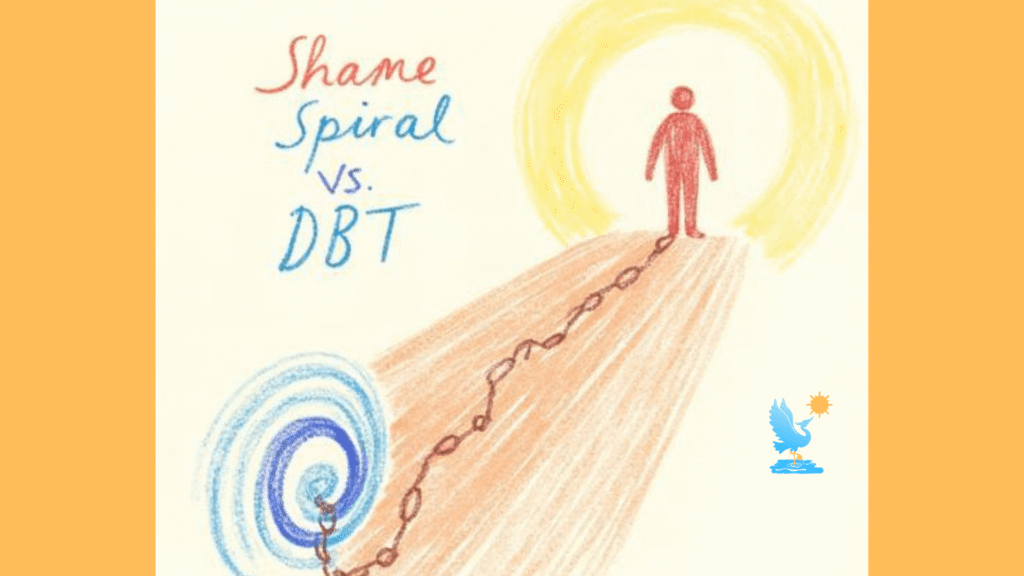
How to Deal With Shame Using DBT Skills
Shame is one of the most painful emotions we can experience.
Unlike guilt, which says “I did something bad,” shame comes at you with “I am bad.”
It makes us want to hide, disappear, or crawl out of our own skin.
Whether it’s triggered by bullying, a mistake at work, a social misstep, past trauma, or internalized beliefs about our worth, shame can feel utterly immobilizing.
What I have found is that Dialectical Behavior Therapy (DBT) offers concrete, evidence-based skills to help you move through shame rather than get stuck in it.
Originally developed by Dr. Marsha Linehan, DBT has proven remarkably effective for managing intense emotions of all kinds, including shame.
Dialectical means holding two opposites to be true at the same time and finding a middle path to integrate them.
In DBT it is about accepting yourself just as you are and being willing to work on unhealthy patterns that no longer serve you and your goals.
Let’s explore eight powerful DBT skills that actually work for dealing with shame.
You can also read the full DBT skills guide here.

1. Check The Facts: Is The Shame Justified?
Shame often lies to us.
The first DBT skill to use is “Check the Facts,” a way to reality-test whether your shame response fits the situation.
How to use it: Ask yourself these questions:
- What exactly happened? (Just the facts, not interpretations)
- Did I actually violate my own values, or am I responding to someone else’s expectations?
- Is the intensity of my shame proportional to what occurred?
- What would I tell a friend in this exact situation?
How to Deal with Shame Q/A
To make sure you understand the above questions we can dive a bit deeper into them.
The first question is pretty self-explanatory.
Be sure to only state the facts of what occurred.
The second question is, did you violate your own values, or were you responding to someone else’s expectations?
Shame that comes from actually violating your values (like being cruel to someone) is functional; it motivates repair and change.
Shame that comes from failing to meet someone else’s unreasonable expectations is toxic; it makes you feel defective for being human.

Sometimes shame is warranted if we did something that conflicts with our values.
But often, shame is disproportionate or based on unrealistic standards, past wounds, or internalized criticism.
Checking the facts helps you separate real violations from false alarms.
For example, someone else’s projections can be the reason for their own behavior.
But because you have a shame loop running, you take it on as your own and internalize it.
One common belief when a shame trauma loop is present is, “I did something bad, therefore I am bad.”
You have to watch your own thinking patterns and name them to resolve them.
This brings space to you and the trauma loop so you can look at it from a wise mind vantage point.
Question 3: “Is the intensity of my shame proportional to what occurred?”
Look at what actually happened versus how much shame you’re feeling.
If you’re experiencing deep, lasting shame over something relatively minor (like a tech glitch or being slow to learn a game), the emotion doesn’t fit the event.
This disproportion is a red flag that the situation triggered deeper, pre-existing wounds about worthiness, rather than being about the actual incident.
When shame is way bigger than the situation warrants, you’re likely responding to old core beliefs (“I’m not good enough”) rather than current reality (“An awkward thing happened”).
This does not excuse others’ behavior.
But it does help you get to the core issue quicker.
Boundaries are a whole other topic, as well as your own self-worth and who you allow into your life.
Question 4: What would you have told a friend in your exact situation?
Why this question is so powerful:
Shame distorts how we see ourselves.
We become incredibly harsh self-critics.
But our perspective on others tends to remain clearer, kinder, and more rational.
By asking “What would I tell a friend?”
You access your own wisdom, which in DBT therapy is called Wise Mind.
The part of you that always knows the truth, and then you can offer that same truth to yourself.
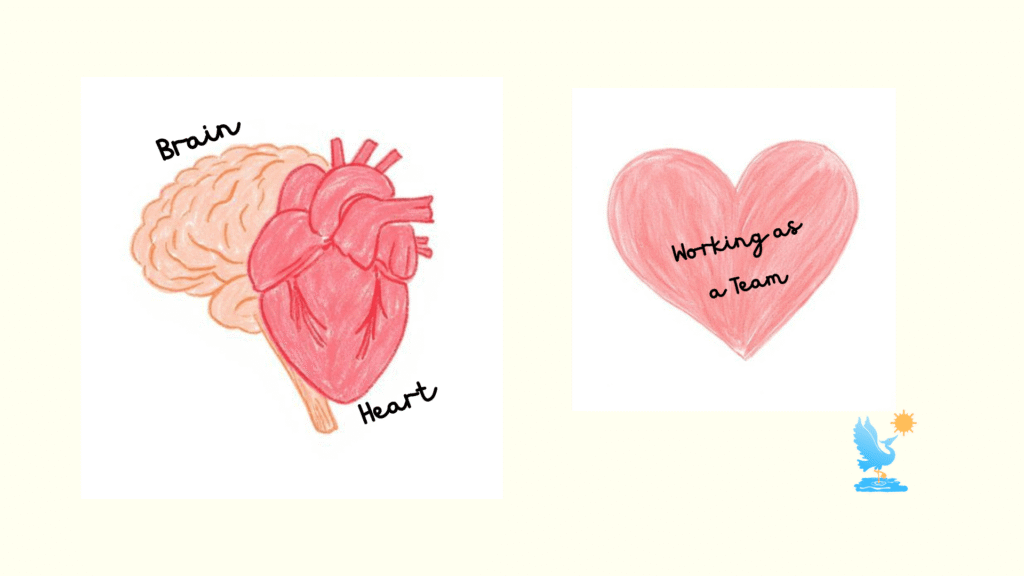
2. Opposite Action: Do the Opposite of What Shame Wants
This is perhaps the most powerful DBT skill for shame.
Shame makes us want to hide, avoid eye contact, isolate, and make ourselves small.
Opposite action means doing the exact opposite.
How to use it:
- Instead of hiding: Stand tall, make eye contact, stay present
- Instead of isolating: Reach out to someone safe and share what happened
- Instead of apologizing excessively: Apologize once if appropriate, then move forward
- Instead of ruminating alone: Engage with the world around you in a healthy way for you.
That could look like taking a walk and being fully immersed in it, connecting with those with whom you feel a real friendship, or as simple as cleaning your house to keep your mind present.
These things can help stop loops of the same record playing in the mind.
Another great idea is to surround yourself with those who honor your worth.
And if we are honest with ourselves, we may need to work on our self-worth, which we can explore further in another article.
The key is that the opposite action works when the emotion doesn’t fit the facts or when acting on the emotion would make things worse.
When you act opposite to shame, you literally change your emotional state by changing your behavior.
3. Self-Validation: Acknowledge Your Experience Without Judgment
Shame thrives in secrecy and self-criticism.
Self-validation is about acknowledging your experience with compassion rather than judgment.
How to use it: Try statements like:
- “It makes sense that I feel ashamed right now, given my history”
- “This feeling is uncomfortable, and I can handle uncomfortable feelings”
- “Feeling shame doesn’t mean I am shameful”
- “My emotions are valid, even if they’re painful”
You’re not validating the destructive thoughts shame creates; you’re validating that having emotions, including difficult ones, is part of being human.
Writing your thoughts down is way more effective than just keeping them in your head.
The Artist’s Way is a book that teaches you to write three pages of your thoughts in the morning, and it is a wonderful way to clear your mental space before engaging with your day ahead.

4. Mindfulness of Current Emotion: Observe Shame Without Becoming It
When shame hits, we often become completely consumed by it. Mindfulness creates space between you and the emotion.
How to use it:
- Notice shame as a feeling passing through you, not as your identity
- Observe where you feel it in your body (chest tightness, face flushing, stomach dropping)
- Name it: “I’m noticing shame” rather than “I am ashamed”
- Watch it like a wave—it rises, peaks, and eventually falls
- Describe it without judgment: “My face feels hot, my shoulders are hunched”
This skill helps you experience shame without letting it define you. You’re the observer of the emotion, not the emotion itself.
Making time in each day for awareness or mindfulness of how you feel in your body or what thoughts you are thinking will be tremendously helpful in ending self-sabotaging loops.

5. Radical Acceptance: Accept What You Cannot Change
Some situations that trigger shame can’t be undone.
Radical acceptance doesn’t mean you approve of what happened.
It means you stop fighting reality and channel your energy toward moving forward.
How to use it:
- Acknowledge: “This happened. I can’t change it.”
- Notice when you’re fighting reality with thoughts like “This shouldn’t have happened” or “If only…”
- Turn your mind back to acceptance every time you drift into resistance
- Ask: “What can I do from here?” rather than dwelling on what you wish had been different.
Radical acceptance releases the extra suffering that comes from refusing to accept reality, freeing up energy for healing and growth.
You can read our full blog post on Radical Acceptance here.
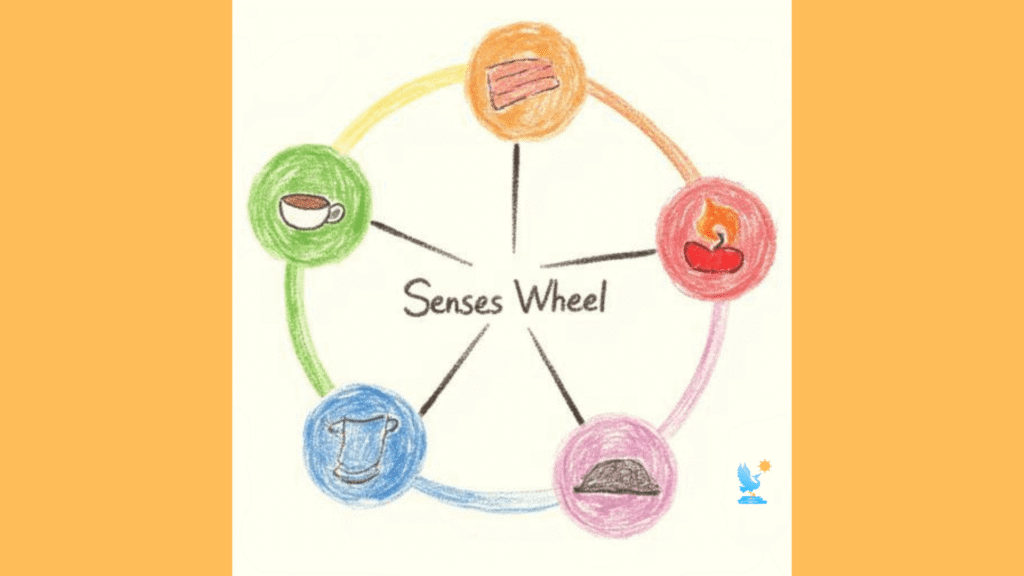
6. Self-Soothing: Comfort Yourself Through the Distress
When shame is intense, your nervous system needs calming. Self-soothing uses your five senses to create moments of comfort and safety.
How to use it:
- Touch: Wrap yourself in a soft blanket, take a warm shower, pet an animal
- Taste: Drink soothing tea, savor a piece of chocolate mindfully
- Smell: Use calming essential oils, light a candle, step outside for fresh air
- Sight: Look at comforting images, watch something that makes you smile
- Sound: Listen to calming music, nature sounds, or a supportive voice
These aren’t distractions—they’re ways to regulate your nervous system so you can think more clearly and make wise decisions about how to respond.

7. Build Mastery: Do Something You’re Good At
Shame attacks our sense of competence and worth.
Building mastery means engaging in activities where you feel capable and effective, which directly counters shame’s message.
How to use it:
- Do something you’re competent at, even if it’s small (cook a meal, solve a puzzle, organize a drawer)
- Learn something new—taking on challenges and succeeding builds confidence
- Complete something you’ve been putting off—accomplishment is shame’s antidote
- Focus on the process, not perfection
Each small success sends a message to your brain that contradicts shame’s lie that you’re fundamentally inadequate.
8. Interpersonal Effectiveness: Repair and Reconnect
Shame often damages our relationships because it makes us withdraw or become defensive.
DBT’s interpersonal effectiveness skills help you navigate the relational aspects of shame.
How to use it:
- DEAR MAN for making requests or addressing issues: Describe the situation, Express your feelings, Assert your needs, Reinforce the positive, Stay Mindful, Appear confident, Negotiate
- GIVE for maintaining relationships: be Gentle, act Interested, Validate, use an Easy manner
- Make genuine amends if needed: Take responsibility for your actual behavior without excessive self-flagellation
- Seek connection with safe people who can hold space for your vulnerability
Remember: You can acknowledge a mistake and make repairs without confirming shame’s lie that you’re fundamentally flawed.
Conclusion – How to Deal With Shame
Shame is a complex emotion, and there’s no single “right” way to work with it.
Shame typically stems from deep wounds from long ago.
Identifying the core wound is a key to transmuting it in real time.
The beauty of DBT is that it offers you a toolkit.
You can select the skills that fit your situation and your needs in any given moment.
When shame shows up:
- Start with mindfulness to get some space from the intensity (breathe, body scan, slow down)
- Check the facts to see if the shame fits the situation
- Use the opposite action if the shame is disproportionate
- Practice self-validation and self-soothing as needed
- Accept what you cannot change and focus on what you can do from here
- Build mastery to counter feelings of inadequacy
- Repair relationships when appropriate
Remember This – Healing Is Possible
Shame wants you to believe you’re alone and irredeemably broken.
The truth is that shame is a universal human emotion, and you have the power to work with it skillfully.
These DBT skills aren’t about eliminating shame; they’re about changing your relationship with it so it doesn’t run your life.
Healing from shame is possible.
With practice, these skills become second nature, and shame loses its grip on you.
You deserve to live with dignity, self-compassion, and the freedom to be imperfect and still worthy.
If shame is significantly impacting your life, consider working with a DBT-trained therapist who can provide personalized guidance and support as you develop these skills.
Want to build your complete DBT toolkit?
Complete Guide to DBT Skills: Master the Middle Path – Everything you need to know about all four DBT modules
Related practices for working with shame:
- How to Build Self-Worth: Complete Guide – The foundation for healing shame
- Wise Mind DBT: How to Access Your Inner Wisdom – Learn to observe shame from your centered self
- Body Scan Meditation: DBT Mindfulness Practice – Notice where shame lives in your body
- Radical Acceptance: Stop Fighting Reality and Find Peace
Shame doesn’t have to control you. With the right skills and self-compassion, you can learn to work with it instead of being overtaken by it.
A Key Note on Shame & Self-Worth
One thing we do need to be aware of is whether we have self-worth.
Self-worth means we love all parts of ourselves with compassion.
We work on the parts that need attention and care because we love ourselves.
We know we can take care of ourselves, and we are good people.
If that is true for you, then acknowledging your self-worth daily is very important.
You can use mirror work, affirmations, self-help books, and workbooks, but this will lead you to a better life and better relations, and also allow you to have the core belief to handle people and situations that are not worthy of your interaction.
Or in wise ways that foster love and respect for yourself.
We can dedicate an entire article to self-empowerment strategies.
Feeling safe is a key aspect of builiding self worth.
Are you safe in this moment right now?
Practice feeling safe in your own skin and realize that you are worthy of your own self-respect and kindness.
This post was all about how to deal with shame.
Have you used DBT skills to work with shame?
What’s been most helpful for you?
Share your experience in the comments below.